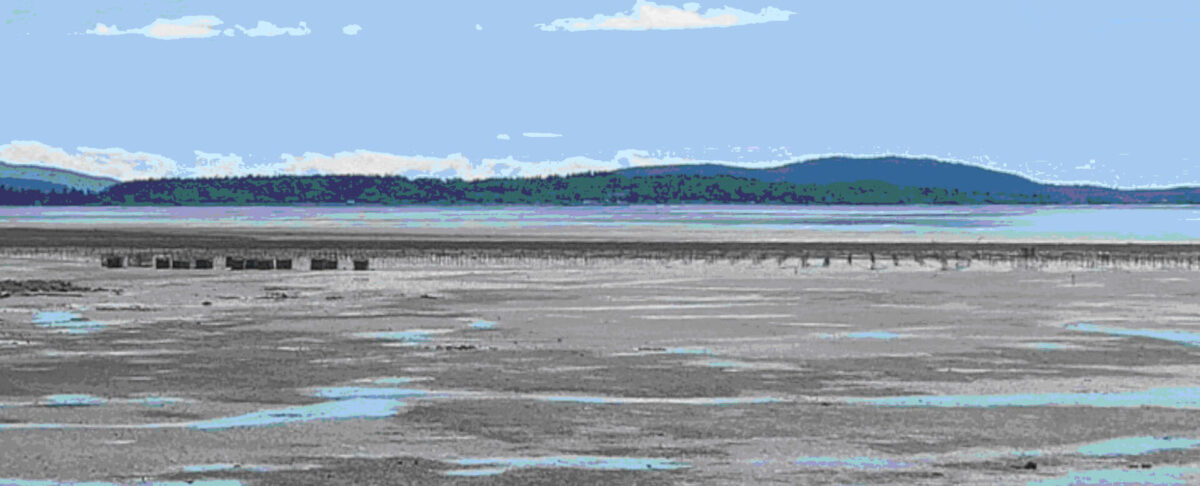
Congresswoman Emily Randall is drafting federal legislation to transfer the ownership of our National Wildlife Refuges on Protection Island and Dungeness Spit to the Jamestown S’Klallam Tribe. This transfer could open the door for industrial aquaculture, allowing commercial oyster bags to cover our local beaches.
This land transfer would remove the public’s role of oversight. It eliminates our ability to stop commercial development in critical bird habitats protected by the federal Migratory Bird Treaty Act. The physical oyster bags reduce vital foraging grounds, and farm workers will disturb the delicate eelgrass beds that migratory birds need to feed and breed.
A draft of the proposed “Jamestown S’Klallam Tribe Land Transfer Act of 2026” has already been released. It does not include guaranteed, binding protections for the sensitive birds, wildlife, and habitats of Dungeness and Protection Island.
There is no reason to fracture the successful existing co-management agreement between the U.S. Fish and Wildlife Service and the Jamestown S’Klallam Tribe, which is actively supported by the Washington Department of Fish and Wildlife.
The Agreement is Working
The current co-management agreement is working. Tribal indigenous knowledge has successfully improved the local habitat. Under this framework, all voices are heard, and all experts can offer their services to protect the highly sensitive nesting birds of Protection Island. The agreement preserves the critical feeding habitats for seabirds, shorebirds, waterfowl, and raptors on Dungeness Spit.
Nearly 30,000 nesting burrows dug by Rhinoceros Auklets and Tufted Puffins crowd the slopes, cliffs, and windward bluffs of Protection Island. These fragile burrows, along with nesting sites for Pigeon Guillemots, protect species that are in steep decline in other areas. Protection Island is critically important for their survival.
In comments to the Jefferson County Board of County Commissioners, Tribal Chairman Ron Allen openly spoke of his frustration with the U.S. Fish and Wildlife Service for refusing to approve permits to expand the Tribe’s commercial aquaculture business on these lands.
Once these public refuges are placed in trust with the Bureau of Indian Affairs, the public will no longer have a voice in the commercial uses of these highly sensitive areas.
Increased human activity and industrial disturbance could end successful nesting for over 70 percent of the seabirds in the Salish Sea. It would also limit vital habitat use along Dungeness Spit during the annual migration.
Honor the Legacy
The story of the Protection Island National Wildlife Refuge is a hard-fought, grassroots victory. It succeeded because of a massive community effort by birders and conservationists across the country. That fight began right here in Jefferson County.
Ensure that Protection Island and the Dungeness National Wildlife Refuges remain forever dedicated to the birds.