By Kirk Kirkland
The ongoing dialogue in May and June about the proposed Jamestown S’Klallam Tribe Land Transfer focused on what the city and County Commissioners could do on the local level. Their concern was to reduce the impact of the decline in taxes and other fees when governance of the Tribe takes over governance of the ancestral lands.
Attending these hearing environmental advocates focused on the legal concerns about the land transfer, while the county’s elected leaders focused on the economic stability and how the Tribe could compensate for the county’s loss of taxes. [[^1.1.1]]
This approach was clearly demonstrated during U.S. Representative Emily Randall’s recent public hearing. [[^1.1.1]] Facing a highly vocal and packed crowd, Representative Randall chose to step back from an immediate policy decision, by referring the complex local operational issues to the Clallam County Board of Commissioners. [[^1.1.1], [^1.1.3]]
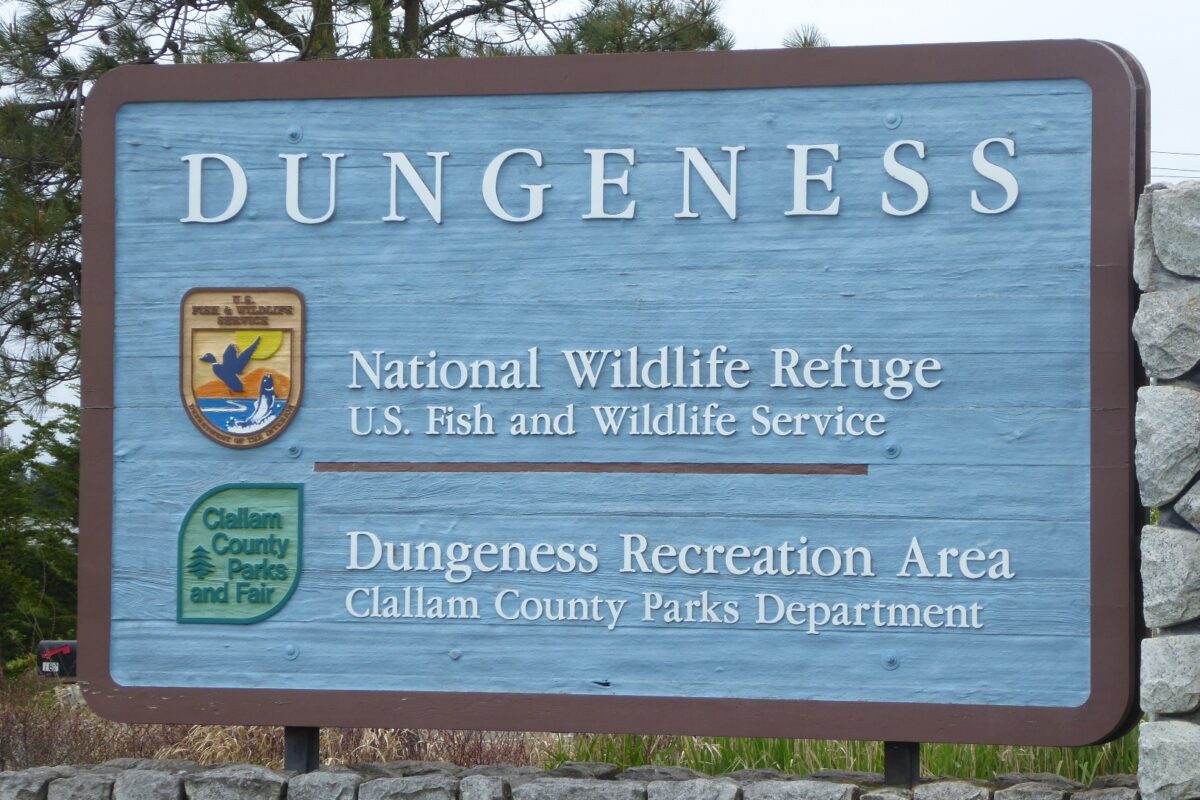
At Randall’s hearing environmental advocates called for eliminating the 600+ acres of the Dungeness Wildlife Refuge from the land transfer to the Tribe. We preferred ownership remain in the jurisdiction of U.S. Fish and Wildlife Refuge as they would protect wildlife habitat and access for hikers and boaters had continued recreation on the Federal lands.
Some speakers at the hearing said the USFWS was not fully funded and the tribe could take better care of the refuge with their operation and maintenance agreement.
High-stakes federal legislative pressure to transfer the Dungeness National Wildlife Refuge complex into tribal sovereign trust shook regional refuge managers. To show that the federal government is an active steward, the USFWS worked with other refuges to provide Federal funding for Dungeness Refuge to make a long-term commitment to remain the primary custodian of the Strait of Juan de Fuca’s shoreline.
The Pacific black brant relies entirely on a high-protein diet of marine eelgrass to sustain its grueling migration to the Arctic. The rapid, aggressive invasion of European green crabs threatens to clip and destroy those exact eelgrass meadows from the roots up. If the food supply collapses, the Brant cannot refuel.
Raising $1.35 million for the Dungeness Refuge ensures that Black Brant finds healthy habitat and keeping refuge out of the land transfer ensures that the beaches will not become industrial oyster farms.
The Environmental Coaltion also sent Randall a comment letter asking her to withhold her proposed land transfer bill. We asked that she not submit her proposal to the Bill Room, until the Tacoma Federal court judge has completed his decision about how environmental review will be completed in the future in the Refuge.
Meanwhile in May, the county’s commissioners focused on maintaining financial stability after loss of some taxes and how to protect public services while honoring their partnership with the tribe.
Because the proposed federal land transfer would shift the county owned properties into the tribal trust, the properties would technically reduce local property tax rolls and reduce funding for the Fire District and library bonds. These taxes replace the residential and commercial losses after the land transfer moves the land to Tribal solvency. Ownership doesn’t change, just who collects the taxes and if it is enough to extend services.
This focus on economic continuity benefits both the municipality and the Tribe by avoiding budget shortfalls while successfully returning ancestral lands to tribal stewardship. [[^1.2.1]] Their concerns about tax shifts could be eliminated if the commissioners looked at the Federal rules regarding land transfers. Transfers are not allowed unless the Tribal lands share a common boundary with the refuge.
The Commissioners’ tax problems and funding for infrastructure would go away if the commissioners saw the 12 mile gap between Dungeness and Blyn. In meeting with the staff members of these federal lawmakers, including Representative Randall and Senators Patty Murray and Maria Cantwell, we discussed this 12 miles geographic separation between disparate land parcels. The only way to bridge the 12-mile gap was to drop the 600+ acres from the land transfer.
Following a packed Town Hall meeting where Representative Randall acknowledged the need for comprehensive local input., Since Randall’s Town Hall meeting the County Commissioner’s held study sessions to deal with loss of property and Real Estate Excise taxes. At their meetings so far, there has not been a discussion about if the land transfer is in compliance with the common border requirements of Federal Law.
This leaves Representative Randall and the state’s two senators to decide if they want to open up the Wildlife Refuge to industrial oyster aquaculture when their Bill is introduced to Congress.