By Kirk Kirkland
A well-funded public relations campaign is sweeping the North Olympic Peninsula. It frames the proposed federal land transfer of the Dungeness National Wildlife Refuge complex to tribal sovereign trust as a conservation-friendly certainty.
The narrative claims seamless management. The underlying infrastructure data, however, reveals an entirely different reality. The proposed transfer ignores state laws governing Fire District coverage and library funding by creating a 12.4-mile jurisdictional discontinuity. It does not mention turning bird habitat at the refuge into industrial oyster aquaculture.
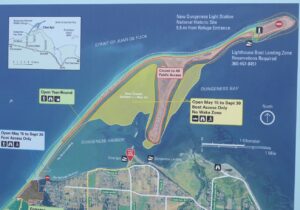
The heart of the issue is geography, not rhetoric. The economic engine of the Jamestown S’Klallam Tribe sits in Blyn, at the head of Sequim Bay. The Wildlife Refuge sits 12.4 miles away near the Dungeness River.
Between these two points lies an expanse of non-sovereign farmland, county-maintained roads, and local junior taxing districts. Land transfer regulations require a common border between Dungeness and the tribe’s facilities in Blyn.
This 12.4-mile gap creates unfunded liabilities for local public safety.
Under Washington state statute (RCW 52.02), junior taxing districts require contiguous service areas to ensure equitable tax assessments and reliable deployment. Clallam County Fire District #3 operates on tight margins. The district cannot legally prioritize a non-contiguous sovereign entity over the local taxpayers who fund its infrastructure.
Forcing emergency personnel to cross 12 miles of county jurisdiction to reach an administrative island degrades emergency response times and liabilities for everyone.
The fiscal threat extends to our educational infrastructure. The North Olympic Library System (NOLS) recently passed a levy lid lift and drew $1.5 million from its reserves just to maintain basic branch operations. Removing properties from the tax rolls to satisfy a non-contiguous federal trust transfer creates a permanent structural deficit. Without a contiguous border, NOLS lacks the administrative framework to collect capital assessments across this gap.
The numbers simply do not balance.
Fortunately, an elegant legislative alternative exists. The land transfer must be separated into a practical solution for the tribe, the taxing districts, and preserve wildlife.
The federal government can transfer 144 acres of land directly surrounding the town of Blyn into tribal trust. This location sits adjacent to the existing tribal campus and casino. It satisfies the goal of restoring ancestral land holdings without disrupting a single local taxing grid.
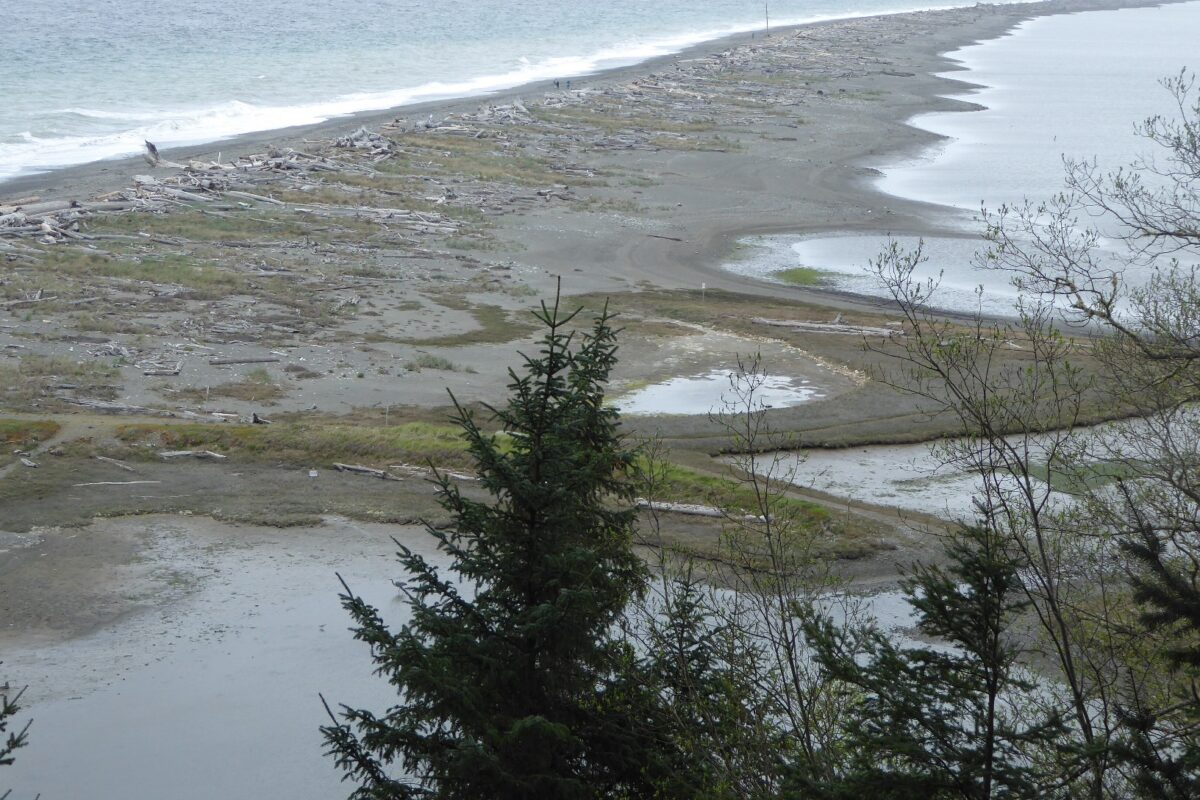
In exchange, the 608 acres of the Dungeness National Wildlife Refuge must remain public federal land, as must Protection Island under existing co-management agreements. This preservation keeps local public easements intact, satisfies the state’s Shoreline Management Act, and leaves vital migratory bird habitats undisturbed by industrial aquaculture.
Public infrastructure is not a pawn for public relations. The Clallam County Commissioners and the Charter Review Commission must prioritize the rule of law over polished advertisements.
A streamlined, 144-acre land transfer in Blyn honors history, protects local tax assessments, and keeps our emergency services intact. Let us pass a solution that works for everyone—taxpayers, librarians, tribal members, and, yes, ducks too. Everyone.