By Kirk Kirkland
Millions of birds are flying across Washington State during the spring migration season. The Cornell Lab of Ornithology tracks these overnight movements using advanced weather radar data. Many of these migrating birds travel along the Pacific Flyway passing over Pierce County. They pause to rest and feed in local green spaces before continuing north toward the Dungeness National Wildlife Refuge.
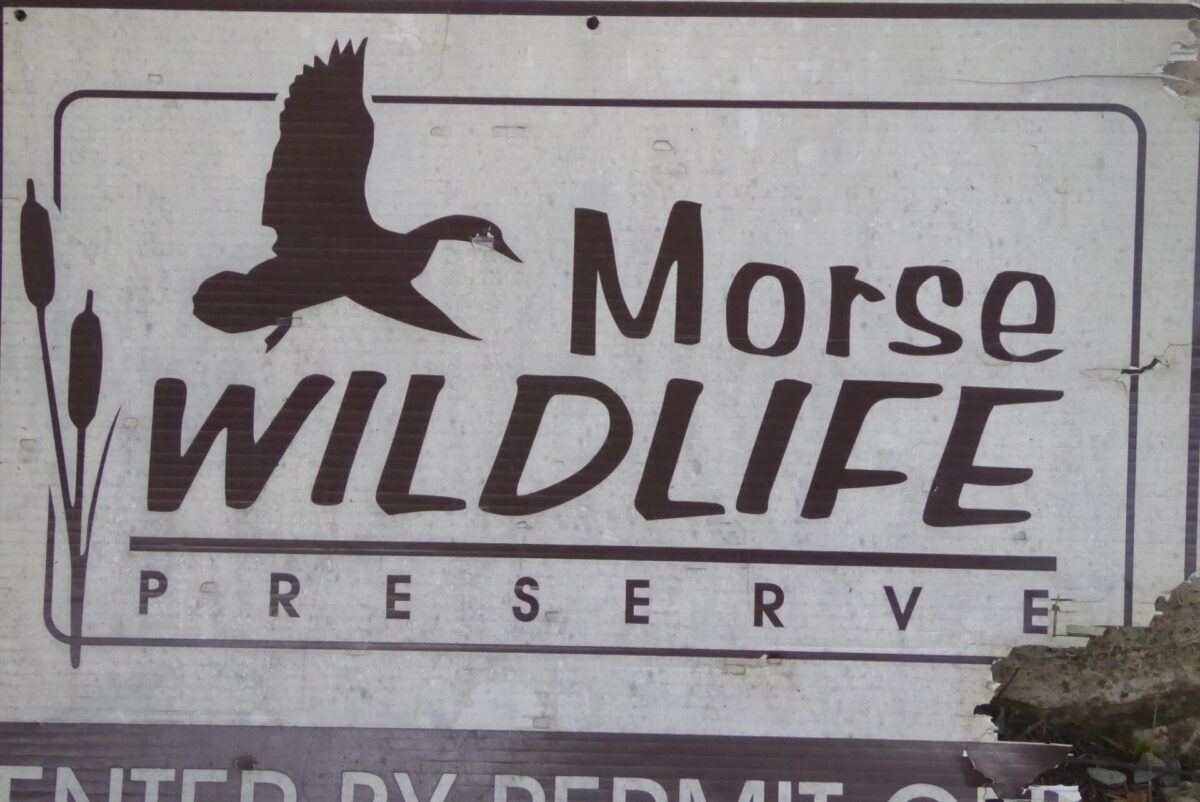
The Morse Wildlife Preserve in Graham provides a critical refuge for these traveling species. The preserve contains over 150 acres of rare garry oak prairie, thick coniferous forests, and a board walk out in the wetlands.
If you visit the reserve you might be able to see these birds. Learn more about birds at the reserve at the
Second Sunday Open House
June 14, 9.30 am till 3 pm
Volunteer teams manage nesting boxes on the prairie to support returning populations. The varied terrain ensures excellent foraging opportunities during the peak spring migration window.
Biologists document over 60 distinct bird species utilizing this preserved habitat throughout the year. Visitors can experience the seasonal awakening firsthand during the monthly public entry events. The Morse Wildlife Preserve hosts its Second Sunday Open House from April through October between 9:00 a.m. and 3:00 p.m. [3] Attendees should bring binoculars and wear sturdy boots to explore the wetland boardwalks.

The Final Journey: From Pierce County to the Arctic
These traveling species face immense physical demands during their northward trek. While a lucky visitor might spot a Western Bluebird nesting in the open prairies of the Morse Preserve this April, these birds do not stay in South Puget Sound for long. They follow the marine highway of the Pacific Flyway directly to the coast.
Your chances of seeing these specific migrants at the Dungeness National Wildlife Refuge depend entirely on the week. The Black-headed Grosbeak utilizes the refuge’s mainland riparian buffers to fuel up before pushing further inland.
Many of the shorebirds, waterfowl, and songbirds passing through our region continue their journey thousands of miles further north. They cross the Canadian border, traverse the boreal forests of British Columbia and the Yukon, before settling in the vast nesting grounds of the Arctic Ocean coastline.
Protecting every single stop along this geographical chain ensures their survival.
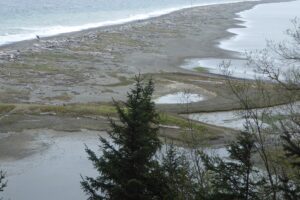
The Migratory Bird Treaty Act protects habitat at the refuge by allowing hikers and visitors to stay on the west side of the peninsula while leaving the logs and mud on the east side for birds to feed and breed. Read more about the fight to stop the local tribe from achieving the land transfer of the Dungeness Refuge and turning beaches into miles of oyster aquaculture.