

By Kirk Kirkland
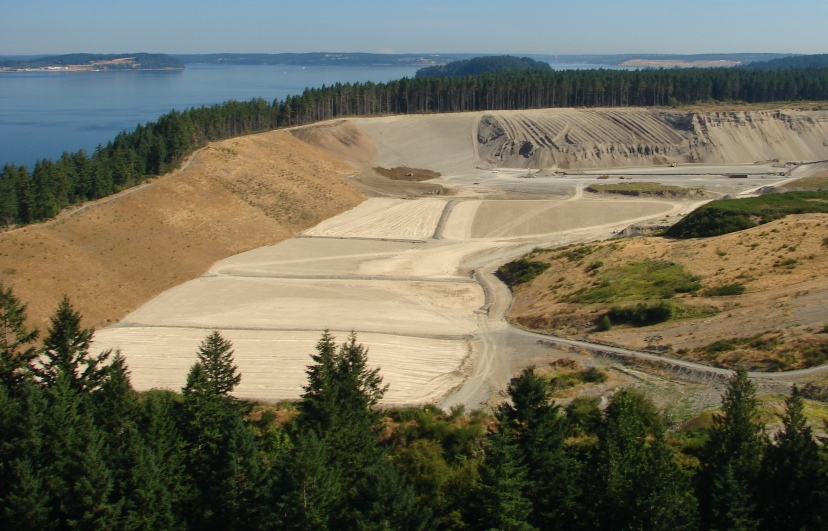
On June 11, 2026, the DuPont Hearing Examiner approved the South Parcel gravel mine expansion. The final decision confirms that this gravel project will create significant, irreversible environmental disruptions. The approved permit completely fails to provide adequate mitigation for the following structural impacts:
- Catastrophic Stream Loss. Active mining will drain the Vashon Aquifer. It will reduce Sequalitchew Creek’s peak flows by 83%. CalPortland will turn off its temporary mitigation pumps at year 14. This action makes the massive water loss permanent.
- Wetland Destruction. Multiple protected public wetlands face severe drops in water levels between one and three vertical feet. The developer is not required to construct functioning, oversized replacement wetlands nearby to offset these structural ecological failures.
- Wildlife Habitat Degradation. The severe water drawdowns will permanently dry out local salmon spawning channels. It will also degrade the surrounding riparian canopy. Migratory birds and wildlife rely on these stable water levels for baseline survival.
- Aquifer Depletion and Forest Fire Risk. Drawing down the regional aquifer permanently strips moisture from the surrounding forest soils. Future generations face heightened forest fire risks during prolonged summer droughts. The dried-out ecosystem completely loses its natural resilience to global warming.
My experience with appealing Conditional Use Permits to Superior Court indicates that an appeal is hard to win. Judges are reluctant to stop a mine expansion once the land has been permitted. This is especially true after the initial permit process has already considered protests from neighborhood groups, birders and hikers.
The DuPont mine proposal calls for the permanent destruction of the aquifer. Although it provides temporary mitigation for streams and wetlands, that mitigation ends when the pumps are turned off after 14 years.
After the public hearing in June 2025, local residents and environmental groups lacked the resources to appeal the decision. The Nisqually Tribe did file an appeal, and they successfully negotiated a private settlement agreement last month.
On the day before the deadline for of a court appeal, I was invited to a meeting with Karen Conrad and Hanna Thornton to talk about an appeal brief that they had showed to Sean Arent and wanted me to look over the draft.
On the day of the court deadline Hanna pulled all the changes together then Sean Arent, President of Clover Creek Restoration Alliance, spent the afternoon submitted our appeal to the Clerk of Superior Court. And so the appeal was launched.
On the next day, the four of us met again. This time we outlined a strategy to reach out to Dupont neighbors and ask them if they could help. We hope to tap into the immense power in a community deciding that their local forest, wetlands, and streams are worth one more chance in court. This group of four are not going to let an unfair decision pass by in silence.
Win or lose we think that you want to be able to walk down the forest trail and know that we did everything in their power to try and stop the dewatering. If you testified and were ignored and want to be involved, just click the box below:
____________________________
Take a one-minute survey!
Choose a response…
Put a check in one of these boxes. [ x ]
[ ] Tell me how I can be more involved
[ ] Send me more information — I want to hear more about the court appeal.
Comments, encouragement, corrections, are welcome.
Send your selection to kirkkirkland5@gmail.com