Bears Ears Monument challenged by Trump to join a long list
of court cases that stop him.
The Trump administration cut Utah’s Bears Ears National Monument by over 1.2 million acres. The administration claimed the move restored recreational access. President Trump publicly stated that hunting, fishing, and walking were virtually impossible within the site’s boundaries.
Editor’s Note: This story is another example of Trump’s assault on National Parks, National Monuments and other national treasures. Now is time to watch for how quickly this story shows up in a court agenda. The statistics of show many court cases lost are at the end of this story.
Internal government documents reveal a different story. Administration officials received briefings on existing public access weeks before making those claims. Officials from Utah sent memos detailing active hiking trails and motorized routes inside the monument.
Legal experts noted the discrepancy between official public statements and internal government records.
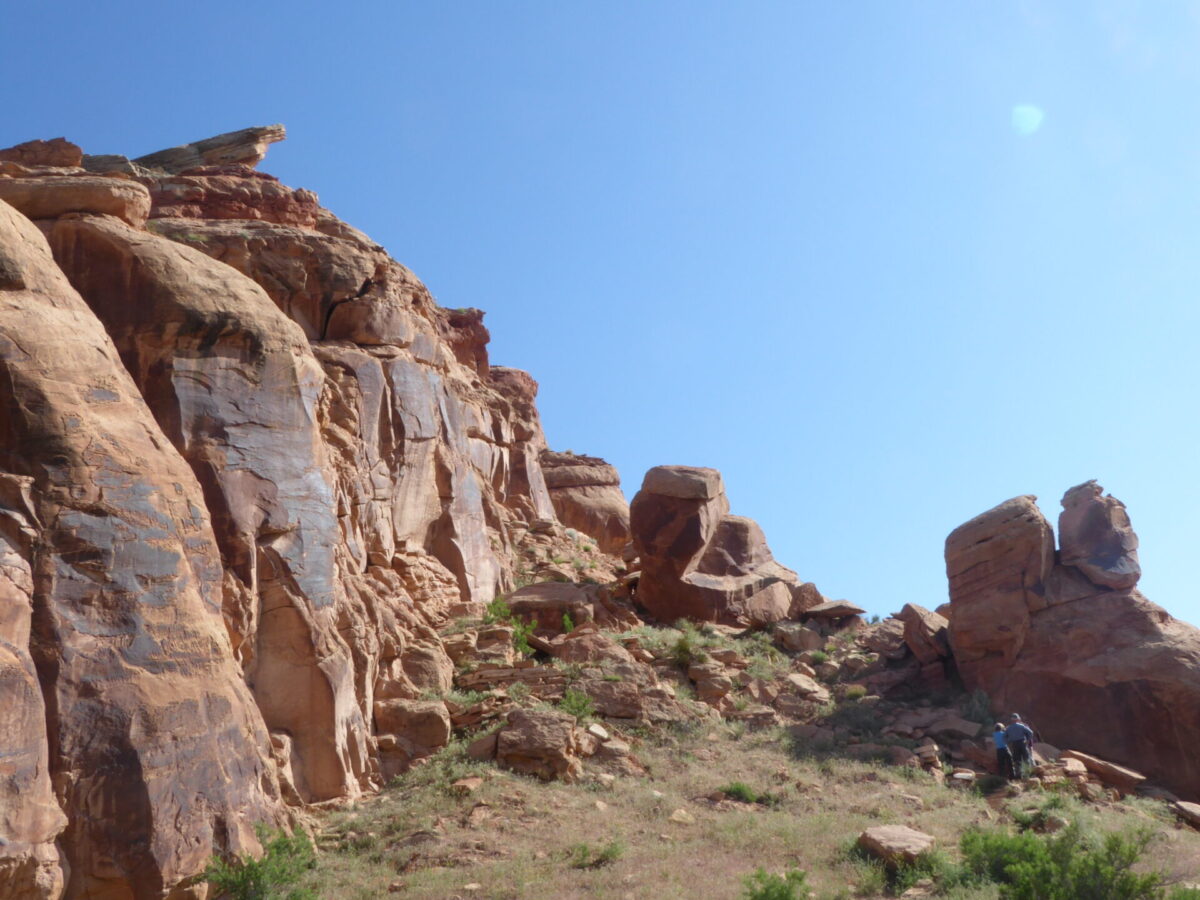
President Obama designated the site in 2016. He specifically noted world-class opportunities for rock climbing, hiking, hunting, and rafting. The area holds thousands of sacred archaeological sites for five native tribes. The administration’s cuts open these ancestral sandstone canyons to commercial uranium mining and oil drilling.
Wealthy interest groups and local coalitions continue pushing back against federal public land rollbacks. Conservation organizations and tribal leaders are challenging the cuts in federal court. They argue the Antiquities Act allows presidents to create monuments, not dismantle them.
Litigation Impact & Breakdown
The legal pushback against environmental and public land rollbacks relies heavily on public-interest environmental groups, state attorneys general, and conservation coalitions.
Key Litigation Statistics
- Total Legal Challenges Filed: Nonprofit groups and legal trackers (including the NYU Institute for Policy Integrity and Columbia’s Sabin Center) recorded over 370 major federal lawsuits challenging deregulatory actions, funding cuts, and public land reductions across both administrations. Individual major groups like the Center for Biological Diversity alone filed over 260 separate suits.
- Win/Loss Rate at the District Level: In resolved regulatory and public land disputes, the federal administration lost roughly 75% to 80% of cases in federal district courts. By comparison, historical presidential administrations typically win around 70% of judicial challenges. Courts frequently cited administrative errors, failure to conduct required environmental impact studies, or lack of statutory authority under acts like the Antiquities Act.
Appeals and Higher Court Rulings:
o In the preliminary and appellate stages, results have been more divided. Circuit courts of appeals have upheld lower court injunctions in approximately 40% to 50% of contested environmental cases, while reversing or granting stays in the remaining cases as higher courts examine broader executive authority.
- Cases Decided by Default or No-Show: While the Department of Justice routinely assigned attorneys to defend executive orders, dozens of emergency motions and preliminary injunctions were granted uncontested or via default summary judgments when agency officials failed to submit required administrative records or missed statutory deadlines to justify policy shifts.
- Currently Pending / On Appeal: Over 150 active cases remain open or undergoing appellate review nationwide, covering executive orders on national monuments, EPA emissions standards, and federal grant clawbacks.
Statics on court cases was provided by AI. This summary of the Bears Ears conflict is based on reporting by Maxine Joselow published in The New York Times on August 3, 2026. Read the full story at The New York Times.
[end 604