

by Kirk Kirkland
“Last week NY Times reporters found a policy change made in the spring by the Department of Defense (DOD). This policy change was made without public notice. The change removed $200 million for PFAS remediation in the 2026 National Defense Authorization Budget.
The cities of Lakewood and DuPont use these funds to add filters to drinking water wells that are contaminated. The estimated future cost for the DOD to investigate and clean up PFAS has tripled since 2022. The DOD recently estimated future costs will total more than $9.3 billion (for FY2025 and beyond).
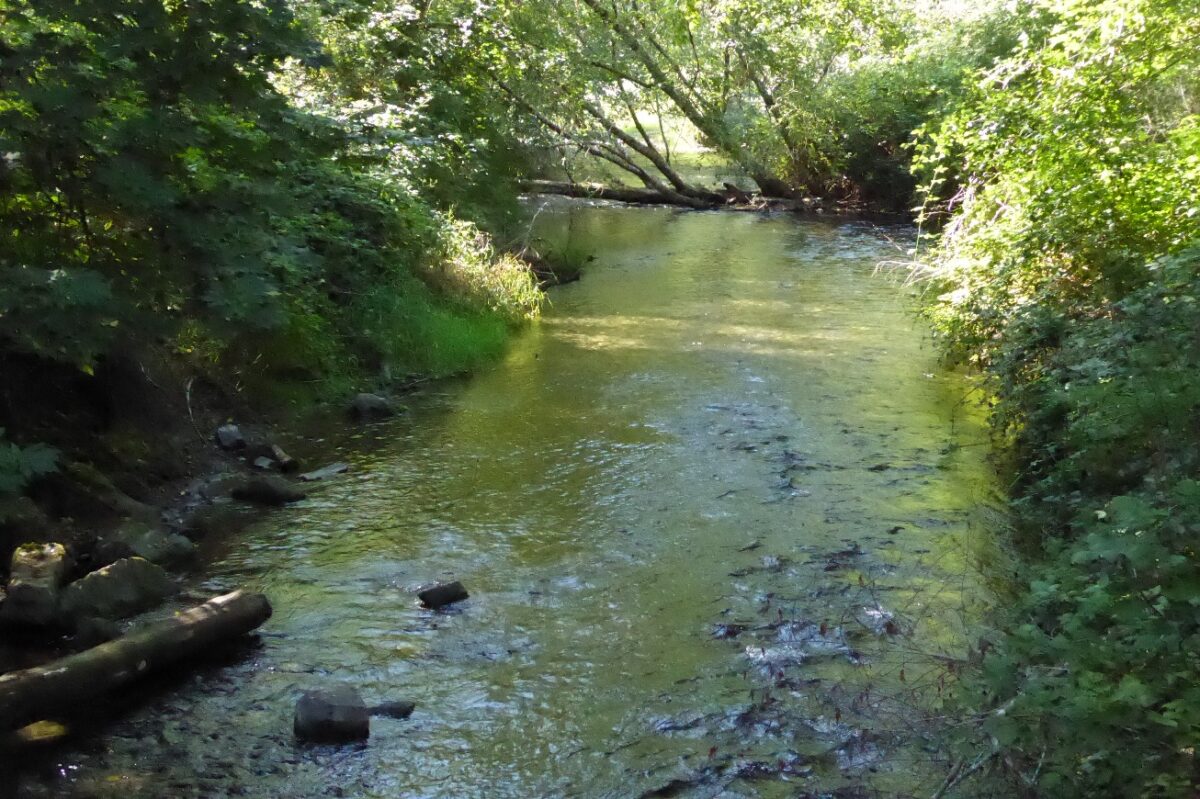
A major spill at McChord Air Base over a decade ago caused contamination from the military’s decades-long use of firefighting foam containing PFAS used by crews to clean up chemical spills. The spill drained into the groundwater and into Clover Creek which eventually contaminated parts of aquifers used for drinking water wells in Lakewood and DuPont.
This policy change will delay cleanup of harmful “forever chemicals” at over 130 military installations in the United States according to a New York Times story on September 23, 2025.
The most remarkable thing about this issue was that it brought Republican and Democratic senators together and put the funding back into the Defense budget in the Second week of the government.
Within a few days of the NY times story the word got out to 130 of military communities nationwide that they had alarming levels of the chemicals in their drinking water. It was learned earlier in the last year when President Biden raised the requirement for PFAS in drinking water that there are “serious health concerns including certain types of cancer as well as child developmental and fertility issues,” according to the New York Times September 2025 story.
At a time when polarization between parties was at its height, the senators on their budget committee were able to break down the barrier between them and restored the $200 million that was removed from the House of Representative’s version of the 2026 National Budget for the National Defense Authorization Act (NDAA).
All of a sudden, this story will no longer gather headlines at a time when Democrats need to see successful campaigns that push back Trump. Unfortunately, stories of bipartisan consensus in the Senate do not receive much attention by a press that fills the front pages of their newspapers with fear and bad news about the shutdown.
Partly a solution to a national problem is not news to senators who regularly work together on the National Budget. Defense spending is one of the most significant and consistent areas of bipartisan cooperation in the Senate, according to the New York Times article.
Protecting cities from PFAS in military towns of both political parties. The estimated future cost for the DOD to clean up PFAS has tripled since 2022 to more than $9.3 billion.
This was no time to put PFAS filtering on hold. Republican Senators could have extended benefits to only Red states with Air Force Bases. But that’s not what happened. When the budget came before the Senate’s Budget Committee everyone held up their hands and the funding for $200 million was restored.