

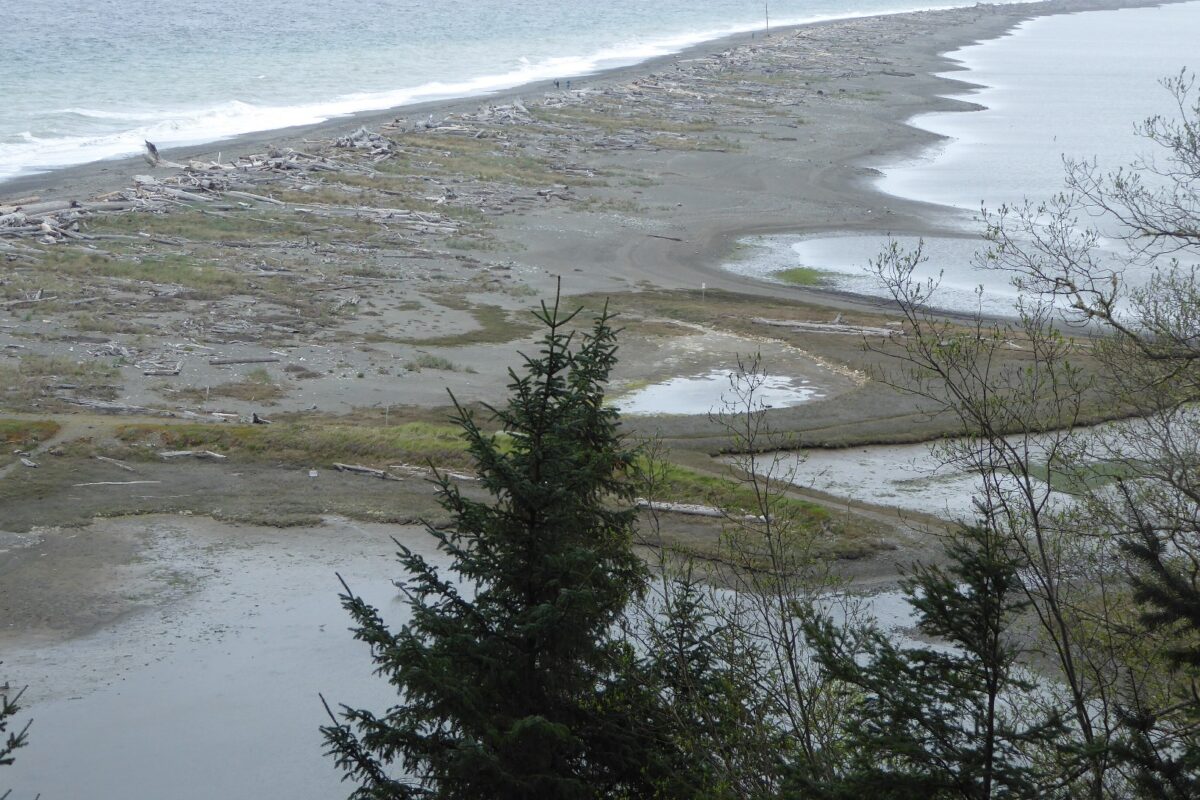
This beach on the left side of the logs is for people and the muddy areas on the other side is
set aside for wildlife — many of them protected the the International Bird Migration Treaty.
________________________________________________________________
by Kirk Kirkland
On April 13, John Garner and I traveled 110 miles to Sequim. We testified at the City Council meeting regarding the proposed transfer of the Dungeness National Wildlife Refuge to the Jamestown S’Klallam Tribe.
The proposal replaces bird habitat with industrial oyster aquaculture. This operation involves 80,000 plastic bags placed near sensitive eelgrass beds. These waters support species protected by the Migratory Bird Treaty Act. We sought to discourage the council from supporting federal legislation that removes these lands from federal oversight.
The council chambers filled quickly with thirty-five residents. We arrived early to secure the first speaking slots. This strategy allowed us to present a complete picture of the ecological stakes.
We explained that congressional action could undermine our active federal lawsuit where the Federal Judge in Tacoma has issued a Summary Decision. The judge called for the environmental review before permitting oyster aquaculture in bird habitat in the refuge.
A legislative transfer effectively bypasses the National Environmental Policy Act (NEPA). It would grant the Tribe sovereignty over commercial aquaculture within the refuge boundaries. If Congress passes this bill before our court ruling, our legal appeal becomes moot. The “Wildlife First” mission of the National Wildlife Refuge System would no longer apply to this land.
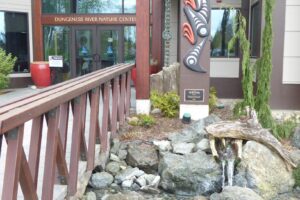
The atmosphere in the room shifted during public comment. One resident noted that five of the seven council members received tribal campaign donations. This detail captured the audience’s attention instantly. However, five other speakers testified in favor of the transfer. They highlighted the Tribe’s many local contributions, including medical facilities and the Dungeness River Audubon Nature Center.
There was a long line at the table with the sign-up sheets then everyone slowly filled all 35 seats which left people standing in the back of the room. Our partner from Peninsula Futures organization, who organized many of her neighbors to testify, introduced us to her friends. But the size of the crowd also surprised her.
Did the tribe recruit all these people to testify? In the end, we had 6 speakers and only eleven of the 35 people spoke. The audience attended because this was an important issue for the community.
John Garner’s testimony focused on a “Co-Management” model. This approach keeps the U.S. Fish and Wildlife Service involved in management decisions. It ensures that all programs remain consistent with the National Wildlife Refuge System Improvement Act of 1996. This Act mandates the “biological integrity, diversity, and environmental health” (BIDE) of the land.
I was the third speaker and showed the council that a total land transfer removes these federal protections. Most attendees had never heard of the 1996 Act or the BIDE mandate. It was difficult to explain in a three-minute window the technical details to an audience more focused on local partnerships than federal law.
This is a hard message to deliver. But we did our best. This was a dress rehearsal for the next step up to contact congress members and ask them not to undermine our lawsuit.
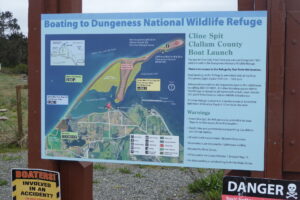
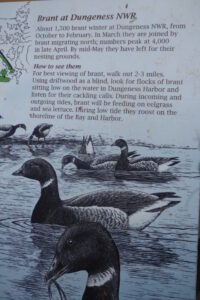
This hearing served as a rehearsal for our next step. How to defeat a bill in a House of representative commitee on Indian affairs and change the momentum toward the land transfer and show them that the proposed bill poses a significant risk to the Pacific Flyway and to the Black Brant who need the eelgrass and their habitat protected.
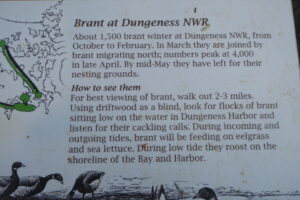
Most important we must show leadership that sovereign control should not supersede the Wildlife Refuge Improvement Act. And the management plan should enforce the International Bird Migration Treaty
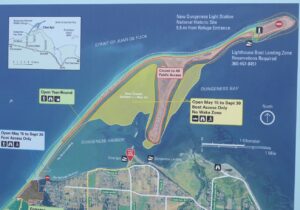
Map of Dungeness Harbor shows area that are closed to hikers and boaters during the winter and sparing when Black Brant are feeding and preparing for flight north. This area is also area where Tribe plans to have Industrial Oyster Aquaculture