by Jani Hitchen
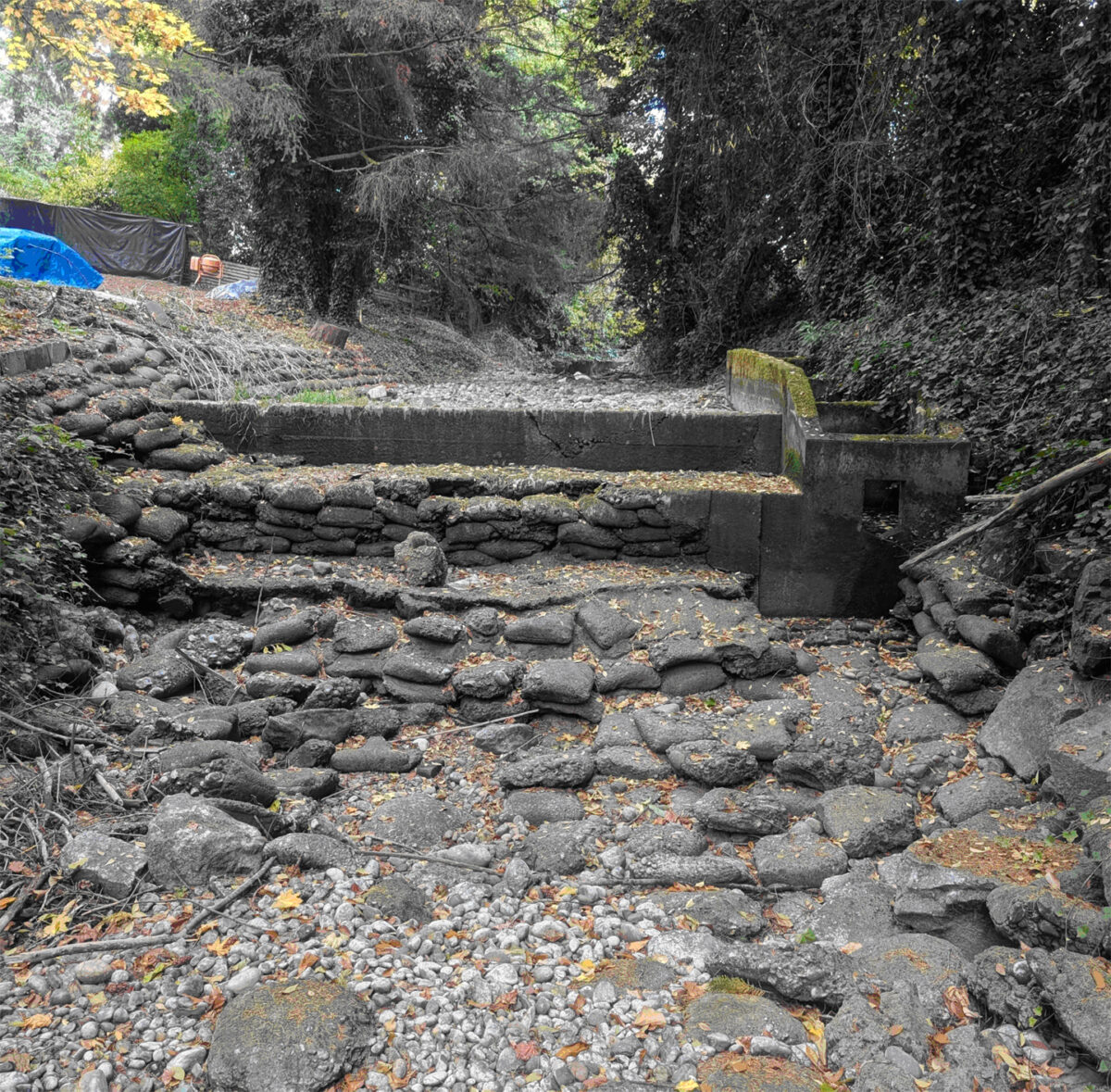
We’re seeing salmon in some Pierce County creeks for the first time in a long time! Recent images of spawning salmon in Lakewood’s Ponce de Leon Creek are one exciting example.
Washington and the West Coast have long been known for their salmon runs. Long before email or even snail mail, people told stories of salmon. In the traditions and histories shared by Indigenous communities, salmon were central to culture, and entire nations would travel across the region to gather, fish together, and share the bounty.
Salmon matter to more than just us. They’re also the main food source for the Southern Resident killer whales who call Puget Sound home. That’s why Pierce County proclaimed this Saturday, October 17, as Puget Sound Orca Recovery Day.
Southern Residents are listed as endangered in both the U.S. and Canada. Their population has dropped from 98 in 1995 to just 75 today, the lowest in more than 30 years. Toxic pollutants, boat noise, and declining salmon runs have left many of these whales in poor condition and struggling to raise calves.
As a county and state, we’ve continued investing in restoring pathways, cleaning waterways, and removing barriers so salmon can return to their spawning grounds. A few highlights:
- Opening up fish passage. Pierce County has replaced fish-blocking culverts on Huge Creek, Horsehaven Creek, Rauch Creek, and others. Of the 854 culverts the County manages, 672 have been analyzed and prioritized for future barrier removal, in coordination with Tribal and regional partners.
- Restoring the Chambers Bay Working with the Puyallup, Nisqually, Squaxin Island, and Muckleshoot Tribes, the County is removing a century-old dam on Chambers Creek, replacing the bridge, restoring 180 acres of estuary habitat, and reopening about 7.5 miles of stream to five species of salmon.
- Fixing the Nisqually watershed’s top barrier. With the Nisqually Indian Tribe and support from NOAA Fisheries, the County is replacing the Brighton Creek culvert at Harts Lake Road, the watershed’s highest-priority fish barrier since 2012. The project will reopen roughly 4.4 miles of habitat.
The Pierce Conservation District is also part of this work as well. It educates young people through the Raising Salmon programs it runs with local schools and offers learning and volunteer opportunities for adults.
On Saturday, October 17 the Pierce Conservation District and its partners hosted restoration events across the region to improve water quality and salmon habitat. Find a project near you at BetterGround.org.
We all benefit from caring for this natural resource, and seeing salmon return shows our efforts are working. Please remember that when salmon swim upstream to spawn, they are not easy pickings. This isn’t the time to grab a net or a fishing line; in fact, streams are closed to fishing during this time.
The salmon season in our state is closely monitored and was open from July 16th to August 31st. So, leave them be. If you find one struggling, let it struggle. If you find a dead one, leave it to be part of the natural ecosystem.
However, fishing seasons may differ if you’re a member of a Tribe. In Pierce County, for example, the Puyallup and Nisqually tribes, whose fishing rights come from the 1854 Medicine Creek Treaty, set their own salmon seasons on the Puyallup and Nisqually rivers with the state, so tribal fishing can stay open after the sport season closes.
____________________________________________________
Jani Hitchen is Chair of the Pierce County Council and a resident of Parkland.
[end 576 596 604